Amazon Associate disclosure: As an Amazon Associate I earn from qualifying purchases.
Affiliate disclosure: PawsGlo may earn a commission from qualifying shopping links at no extra cost to you. We have not personally tested these five products or verified their current thermal performance.
Critical safety warning: Dog boots do not make dangerously hot pavement safe. Avoid walking dogs on hot asphalt or concrete, choose cooler hours and shaded routes, and provide water. If paws show burns, blistering, pain or limping, stop the walk and contact a veterinarian. Never leave dogs in parked cars.
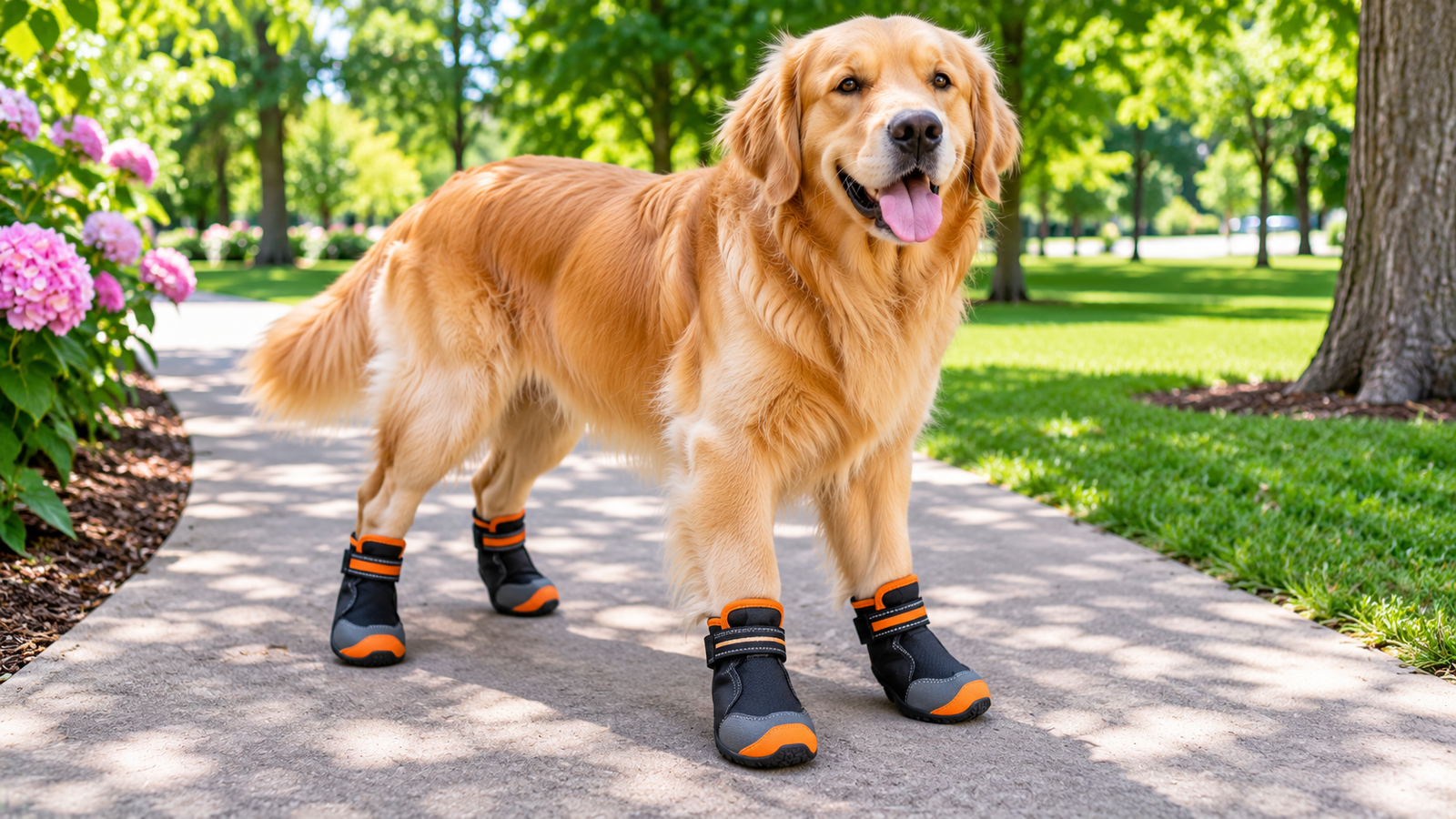
Best dog boots for hot pavement: quick answer
For a structured outdoor boot, start by comparing Ruffwear Grip Trex and Kurgo Blaze Cross. QUMY is a budget-oriented alternative, while Muttluks and Pawz represent different closure and material approaches. But the most important decision is whether you should walk on the surface at all. No product in this guide has been independently verified by PawsGlo to protect against a particular pavement temperature. If the ground is dangerously hot, stay off it even if your dog wears boots.
Dog paw protection is a practical shopping topic for pet owners in warm parts of the USA, Canada and the UK during summer heatwaves. Asphalt and pavement can become much hotter than the air, especially in direct sunlight. Boots may provide a physical barrier against rough ground and some contact exposure, but protection depends on material, sole thickness, fit, duration and surface conditions. The safest approach is to schedule walks when the ground is cool and avoid excessive heat.
Five dog boots compared
| Product | Style | Best for | Important caution |
|---|---|---|---|
| Ruffwear Grip Trex | Structured outdoor boot | Best rugged outdoor comparison | Confirm sizing and avoid hot pavement |
| Kurgo Blaze Cross Dog Shoes | Structured dog shoe | Best structured shoe alternative | Confirm sizing and avoid hot pavement |
| QUMY Dog Boots | Adjustable boot | Best budget four-boot comparison | Confirm sizing and avoid hot pavement |
| Muttluks Original Fleece-Lined Boots | Soft cuff boot | Best for comparing fit and cuff design | Confirm sizing and avoid hot pavement |
| Pawz Rubber Dog Boots | Thin rubber bootie | Best lightweight disposable-style alternative | Confirm sizing and avoid hot pavement |
1. Ruffwear Grip Trex — Best rugged outdoor comparison
A performance dog boot with a grippy sole and adjustable closure intended for active use.
The Ruffwear Grip Trex is worth comparing if you want a paw covering for appropriate outdoor conditions. Before buying, measure the width of your dog’s weight-bearing paw on paper, following the manufacturer’s instructions. Front and back paws may differ, so do not assume a single measurement fits all four feet. The boot should stay on without restricting circulation or rubbing the dewclaw. Check whether the seller offers individual replacements or only complete sets.
A rugged-looking sole does not prove heat protection. Product marketing may emphasize grip, hiking and durability, but thermal performance is a separate question. Avoid long walks on hot surfaces and check paws frequently for discomfort. Introduce boots indoors first with short positive sessions. If your dog freezes, repeatedly shakes its feet or tries to remove the shoes, pause and reconsider the fit. A comfortable, well-fitted boot is more useful than a model that looks impressive in photographs.
Pros
- Durable-looking sole design
- multiple sizes
- outdoor-focused
Cons
- Premium price
- sizing takes care
- not a guarantee against hot surfaces
Best for: owners considering best rugged outdoor comparison who understand that safe walking conditions come first. Not ideal if the material is unsuitable for summer use, the paw cannot move naturally, or the dog has an existing injury that needs veterinary attention. Verify the exact model, current specifications and care instructions before purchase.
Search Ruffwear Grip Trex on Amazon US
2. Kurgo Blaze Cross Dog Shoes — Best structured shoe alternative
A structured protective dog shoe line for walks and outdoor adventures.
The Kurgo Blaze Cross Dog Shoes is worth comparing if you want a paw covering for appropriate outdoor conditions. Before buying, measure the width of your dog’s weight-bearing paw on paper, following the manufacturer’s instructions. Front and back paws may differ, so do not assume a single measurement fits all four feet. The boot should stay on without restricting circulation or rubbing the dewclaw. Check whether the seller offers individual replacements or only complete sets.
A rugged-looking sole does not prove heat protection. Product marketing may emphasize grip, hiking and durability, but thermal performance is a separate question. Avoid long walks on hot surfaces and check paws frequently for discomfort. Introduce boots indoors first with short positive sessions. If your dog freezes, repeatedly shakes its feet or tries to remove the shoes, pause and reconsider the fit. A comfortable, well-fitted boot is more useful than a model that looks impressive in photographs.
Pros
- Protective sole
- adjustable fit
- outdoor design
Cons
- Fit may vary
- check current model
- may feel stiff initially
Best for: owners considering best structured shoe alternative who understand that safe walking conditions come first. Not ideal if the material is unsuitable for summer use, the paw cannot move naturally, or the dog has an existing injury that needs veterinary attention. Verify the exact model, current specifications and care instructions before purchase.
Search Kurgo Blaze Cross Dog Shoes on Amazon US
3. QUMY Dog Boots — Best budget four-boot comparison
A popular adjustable dog boot style sold in multiple sizes.
The QUMY Dog Boots is worth comparing if you want a paw covering for appropriate outdoor conditions. Before buying, measure the width of your dog’s weight-bearing paw on paper, following the manufacturer’s instructions. Front and back paws may differ, so do not assume a single measurement fits all four feet. The boot should stay on without restricting circulation or rubbing the dewclaw. Check whether the seller offers individual replacements or only complete sets.
A rugged-looking sole does not prove heat protection. Product marketing may emphasize grip, hiking and durability, but thermal performance is a separate question. Avoid long walks on hot surfaces and check paws frequently for discomfort. Introduce boots indoors first with short positive sessions. If your dog freezes, repeatedly shakes its feet or tries to remove the shoes, pause and reconsider the fit. A comfortable, well-fitted boot is more useful than a model that looks impressive in photographs.
Pros
- Accessible price comparisons
- adjustable straps
- four-boot packs
Cons
- Sizing inconsistency across sellers
- check sole and seams
- variable durability
Best for: owners considering best budget four-boot comparison who understand that safe walking conditions come first. Not ideal if the material is unsuitable for summer use, the paw cannot move naturally, or the dog has an existing injury that needs veterinary attention. Verify the exact model, current specifications and care instructions before purchase.
Search QUMY Dog Boots on Amazon US
4. Muttluks Original Fleece-Lined Boots — Best for comparing fit and cuff design
A soft-sided dog boot line known for its distinctive cuff and closure.
The Muttluks Original Fleece-Lined Boots is worth comparing if you want a paw covering for appropriate outdoor conditions. Before buying, measure the width of your dog’s weight-bearing paw on paper, following the manufacturer’s instructions. Front and back paws may differ, so do not assume a single measurement fits all four feet. The boot should stay on without restricting circulation or rubbing the dewclaw. Check whether the seller offers individual replacements or only complete sets.
A rugged-looking sole does not prove heat protection. Product marketing may emphasize grip, hiking and durability, but thermal performance is a separate question. Avoid long walks on hot surfaces and check paws frequently for discomfort. Introduce boots indoors first with short positive sessions. If your dog freezes, repeatedly shakes its feet or tries to remove the shoes, pause and reconsider the fit. A comfortable, well-fitted boot is more useful than a model that looks impressive in photographs.
Pros
- Flexible fabric
- different fit approach
- established brand
Cons
- Fleece lining can be warm in summer
- not first choice for heat
- verify season-specific suitability
Best for: owners considering best for comparing fit and cuff design who understand that safe walking conditions come first. Not ideal if the material is unsuitable for summer use, the paw cannot move naturally, or the dog has an existing injury that needs veterinary attention. Verify the exact model, current specifications and care instructions before purchase.
Search Muttluks Original Fleece-Lined Boots on Amazon US
5. Pawz Rubber Dog Boots — Best lightweight disposable-style alternative
Thin rubber-style dog booties designed to form a snug barrier.
The Pawz Rubber Dog Boots is worth comparing if you want a paw covering for appropriate outdoor conditions. Before buying, measure the width of your dog’s weight-bearing paw on paper, following the manufacturer’s instructions. Front and back paws may differ, so do not assume a single measurement fits all four feet. The boot should stay on without restricting circulation or rubbing the dewclaw. Check whether the seller offers individual replacements or only complete sets.
A rugged-looking sole does not prove heat protection. Product marketing may emphasize grip, hiking and durability, but thermal performance is a separate question. Avoid long walks on hot surfaces and check paws frequently for discomfort. Introduce boots indoors first with short positive sessions. If your dog freezes, repeatedly shakes its feet or tries to remove the shoes, pause and reconsider the fit. A comfortable, well-fitted boot is more useful than a model that looks impressive in photographs.
Pros
- Low-profile feel
- lightweight
- simple design
Cons
- Limited insulation
- not reliable for extreme pavement heat
- tight fit may cause discomfort
Best for: owners considering best lightweight disposable-style alternative who understand that safe walking conditions come first. Not ideal if the material is unsuitable for summer use, the paw cannot move naturally, or the dog has an existing injury that needs veterinary attention. Verify the exact model, current specifications and care instructions before purchase.
Search Pawz Rubber Dog Boots on Amazon US
How to choose the best dog boots for hot pavement
Measure paws while weight-bearing
Have your dog stand on a sheet of paper and mark the widest part of each paw. Compare the measurement with the manufacturer’s sizing chart. Do not estimate from breed or body weight alone. Check front and rear feet separately because they may differ in width.
Consider this factor together with your dog’s comfort, the weather and the actual surface temperature. Boots are optional accessories, not permission to expose a dog to dangerous heat.
Check fit around the dewclaw
Closures that sit over a dewclaw can rub or cause discomfort. Look for secure but gentle straps, and inspect the leg after short trial sessions. A boot that twists or slides may cause blisters. Stop use if you notice redness or limping.
Consider this factor together with your dog’s comfort, the weather and the actual surface temperature. Boots are optional accessories, not permission to expose a dog to dangerous heat.
Distinguish traction from heat resistance
A rubber-like outsole may grip well on some surfaces without providing verified protection from high temperatures. Unless a manufacturer supplies meaningful thermal testing, do not infer a safe pavement temperature from sole appearance or thickness.
Consider this factor together with your dog’s comfort, the weather and the actual surface temperature. Boots are optional accessories, not permission to expose a dog to dangerous heat.
Avoid overheating inside the boot
Boots can trap warmth and moisture. Some lined winter designs may be especially uncomfortable during summer. Choose conditions carefully, keep sessions brief and check paws for dampness, rubbing or heat. Remove boots when they are not needed.
Consider this factor together with your dog’s comfort, the weather and the actual surface temperature. Boots are optional accessories, not permission to expose a dog to dangerous heat.
Prioritize comfortable movement
Dogs may walk awkwardly during their first introduction to footwear. Begin on a safe indoor surface with treats and calm praise. Gradually increase the duration only if your dog moves normally. Never drag a reluctant dog in boots.
Consider this factor together with your dog’s comfort, the weather and the actual surface temperature. Boots are optional accessories, not permission to expose a dog to dangerous heat.
Inspect materials and stitching
Check soles, seams and straps for wear. A detached piece can become a chewing hazard. Remove damaged footwear and clean it according to the manufacturer’s directions. Replace boots that have lost their shape or grip.
Consider this factor together with your dog’s comfort, the weather and the actual surface temperature. Boots are optional accessories, not permission to expose a dog to dangerous heat.
Consider weather and terrain
A shoe intended for rocky hiking may be too bulky for everyday pavement. Thin rubber booties may provide limited insulation and are not a solution for extremely hot surfaces. Match the product to actual conditions and always avoid dangerous heat.
Consider this factor together with your dog’s comfort, the weather and the actual surface temperature. Boots are optional accessories, not permission to expose a dog to dangerous heat.
Plan for a backup pair
Boots can be lost during walks, especially when fit is imperfect. Check whether replacements are sold individually. Carry a spare if you are traveling, but do not continue a walk over hazardous ground when one boot is missing.
Consider this factor together with your dog’s comfort, the weather and the actual surface temperature. Boots are optional accessories, not permission to expose a dog to dangerous heat.
Compare cost and availability
Check size-specific pricing, returns and replacement policies. A cheap pair that repeatedly slips may be poor value. Regional stock differs in the USA, UK and Canada, and similar seller photos may show different versions.
Consider this factor together with your dog’s comfort, the weather and the actual surface temperature. Boots are optional accessories, not permission to expose a dog to dangerous heat.
Choose cooler walking routes first
The best paw protection begins with timing and location. Walk early or late when surfaces have cooled, use shaded natural paths where appropriate and check conditions continuously. Hot weather can also cause whole-body heat illness, which boots cannot prevent.
Consider this factor together with your dog’s comfort, the weather and the actual surface temperature. Boots are optional accessories, not permission to expose a dog to dangerous heat.
How hot is too hot for dog paws?
There is no single universally safe air temperature that guarantees pavement will be comfortable. Surface temperature depends on sunlight, material, time of day and local conditions. Asphalt exposed to strong sun can become hazardous even when the air feels tolerable. The familiar hand-on-pavement test may alert you to obvious heat, but it is not a scientifically precise safety threshold. When uncertain, avoid the surface.
If your dog lifts paws, limps, stops walking, seeks grass or shows distress, move to a safe cool area immediately. Inspect paws gently and contact a veterinarian if you suspect burns or injury. Do not force the dog to continue because you have already planned a route.
How to train your dog to wear boots
- Show one boot and reward calm sniffing.
- Touch the paw briefly without putting the boot on.
- Fit one boot indoors for a few seconds, then remove it.
- Build toward wearing two and then four boots during short sessions.
- Encourage natural walking on a cool, non-slip surface.
- Check fit and skin after each session before attempting an outdoor walk.
Training may take several days or longer. Some dogs never accept footwear comfortably. That is not a reason to force the issue. Instead, choose cool walking conditions and routes that protect paws without boots. For dogs with mobility problems or paw injuries, seek veterinary guidance before introducing footwear.
Dog boots versus paw wax
Paw waxes are marketed for traction or protection against certain environmental irritants, but they do not reliably insulate paws from dangerous pavement temperatures. Boots create a physical covering, though their actual thermal performance varies. Neither replaces avoiding overheated surfaces. If you are concerned about dry or cracked paw pads, ask a veterinarian about safe products and possible underlying causes.
Hot-weather dog walking checklist
- Choose a cool time of day and check the walking surface.
- Bring fresh water and a portable bowl.
- Keep walks short when temperatures rise.
- Watch for panting, weakness, reluctance and paw discomfort.
- Use shade and avoid sun-exposed asphalt.
- Inspect paw pads after walking.
- Seek urgent veterinary help for suspected heatstroke or burns.
For related PawsGlo reading, see our dog cooling mats guide, portable dog bowl comparison, and daily dog walking bag checklist.
Common mistakes to avoid
- Assuming boots make hot asphalt safe.
- Buying by breed rather than measuring paws.
- Fastening straps too tightly around the leg.
- Ignoring rubbing near the dewclaw.
- Using thick winter-lined boots in summer heat without checking comfort.
- Forcing a dog to walk before it accepts the boots.
- Continuing a walk when the dog shows heat stress or paw pain.
Frequently asked questions
Do dog boots protect against hot pavement?
They may provide a physical barrier, but protection varies and is not guaranteed. Avoid dangerously hot surfaces regardless of footwear.
What are the best dog boots for summer?
Choose a comfortable, appropriately sized design and avoid heat-trapping materials. The safest approach is to walk when pavement is cool.
How do I measure my dog’s paws?
Measure the widest weight-bearing part of each paw and compare with the exact manufacturer’s size chart.
Can dogs overheat in boots?
Boots can trap warmth and moisture. Check paws regularly and avoid unnecessary use in hot conditions.
Are rubber dog booties enough for hot asphalt?
Thin rubber booties are not reliable protection against extreme pavement heat. Avoid the surface.
Why does my dog walk strangely in boots?
The sensation may be unfamiliar, or the fit may be wrong. Introduce footwear gradually and stop if discomfort persists.
Can puppies wear dog boots?
Use age-appropriate sizing and close supervision, but avoid hot surfaces and do not force a puppy to wear boots.
How long can a dog wear boots?
There is no universal duration. Follow product guidance, check for rubbing and remove them when no longer needed.
Can boots help with paw injuries?
Ask a veterinarian first. An unsuitable boot may worsen wounds or trap moisture.
What should I do if my dog’s paw pads burn?
Move to a cool safe area, avoid further contact with hot ground and seek prompt veterinary care.
Final recommendation
For a structured outdoor shoe, compare Ruffwear Grip Trex and Kurgo Blaze Cross. QUMY offers a budget-oriented comparison, while Muttluks and Pawz represent different fits and materials. Measure carefully, train gradually and inspect paws. Most importantly, choose safe walking conditions rather than relying on footwear to make dangerous heat acceptable.
Editorial transparency: We have not independently tested these products or verified thermal performance. Amazon links open search pages rather than product-specific affiliate offers. This guide does not replace veterinary advice.
Pingback: Best Dog Paw Cleaners (2026)